What is Car Installation and How to Get It Done?
Car installation is an essential process for enhancing your vehicle's performance, safety, and comfort. Whether you're upgrading your audio system or adding navigation features, proper installation is key. Many car owners face challenges during this process, sometimes feeling overwhelmed by technical aspects. It's crucial to understand the steps involved in effective car installation.
Expert knowledge can make a significant difference in achieving the desired results. Working with a professional ensures that installations are done correctly. However, not everyone has the budget for expert services. In some cases, attempting a DIY car installation can be rewarding, but it may lead to mistakes. Assessing your skills honestly is important.
Common mistakes include inadequate research and lack of preparation. These can result in malfunctioning systems or even damage to your vehicle. It's essential to reflect on past experiences and learn from them. Overall, knowing how to approach car installation helps ensure that you enjoy all the benefits it offers without unnecessary hassle.
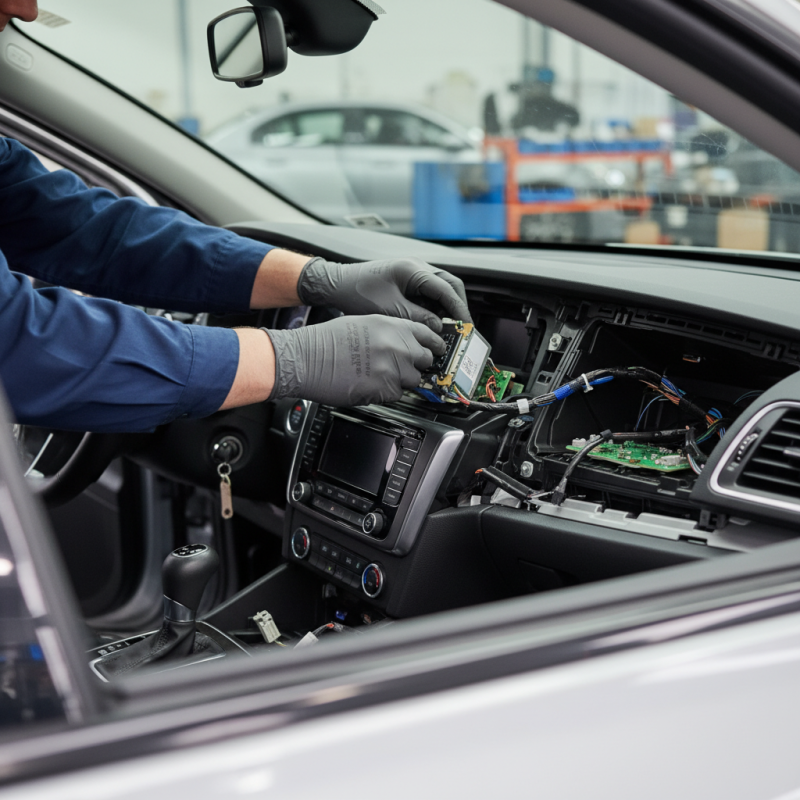
What is Car Installation? An Overview of Vehicle Customization Processes
When it comes to car installation, it refers to a variety of customization processes that enhance a vehicle's performance and aesthetics. Vehicle owners often seek upgrades like audio systems, suspension kits, or even custom wheels. According to a recent report by the Specialty Equipment Market Association (SEMA), the automotive aftermarket industry generated approximately $44 billion in 2022, driven largely by such modifications. This shows a growing desire for personalizing vehicles to match individual tastes and needs.
Getting started with car installation entails understanding your specific goals. Whether it’s for improved sound quality or better handling, research is essential. Choose reputable professionals or consider DIY options if you have the skills. However, some people overlook the importance of proper installation. Poorly installed components can lead to safety hazards or performance issues. Professionals emphasize that following guidelines is vital for avoiding costly mistakes.
Tip: Before proceeding, check compatibility between new parts and your vehicle. This prevents frustration during installation. Also, consider discussing your ideas with experts to gain insights. This collaborative approach often results in better outcomes. Lastly, keep in mind that while customization can be rewarding, careful planning is paramount. Quality installations ensure your modifications last longer and perform better.
Types of Car Installations: From Audio Systems to Performance Enhancements
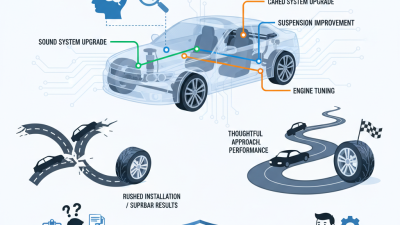
Car installation involves upgrading or customizing your vehicle. Many options exist, tailoring your vehicle to your specific needs and preferences. Common types of car installations include audio systems, performance enhancements, and even cosmetic upgrades.
Audio system installations can transform your listening experience. You can choose from basic stereo systems to advanced setups with subwoofers. While installing audio devices, ensure compatibility with your vehicle's make and model. The wiring might seem complex for beginners. Also, poor installations can lead to audio distortion or damage.
Performance enhancements often focus on the engine and suspension. Modifications like exhaust systems provide better airflow. Upgrading the suspension can improve handling. These changes require expertise, as improper modifications can affect safety. Consulting with professionals is essential to ensure reliability and optimal performance. Investing in proper installation pays off in the long run.
Step-by-Step Guide to Getting Your Car Installed Professionally
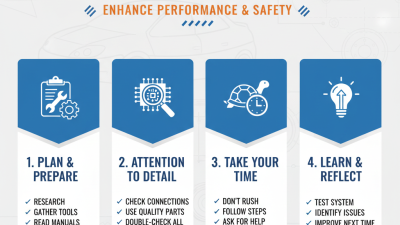
When considering car installation, preparation is key. A recent study by the
Automotive Installers Association found that
70% of professionals recommend thorough research before
starting any project. This helps ensure that the process runs smoothly. A well-planned approach
not only saves time but also reduces unexpected costs.
The installation process has several stages. Begin with assessing your vehicle's needs. Understand
what type of installation is required, whether it's audio systems, navigation, or performance upgrades.
Collect all necessary tools and materials. Experts suggest having a clean workspace. This allows for
greater focus and minimizes errors.
It's essential to note that not everything goes perfect on the first try. Many installers report a
learning curve, especially when fitting complex systems. A survey indicated that 35% of
DIY installations need adjustments post-installation. This reflects the importance of seeking
professional help when needed.
Documenting each step can aid in troubleshooting future issues.
Key Considerations for Choosing a Car Installation Service Provider
Choosing a car installation service provider is crucial for ensuring quality and reliability. According to a 2022 industry report, 45% of vehicle owners experienced issues due to improper installation. Selecting experienced professionals can significantly reduce this risk. Look for providers with certifications in automotive services. They typically have undergone rigorous training, enhancing their skill set.
Customer reviews provide valuable insights. More than 70% of consumers trust online feedback for service quality. However, it’s essential to be discerning. Some reviews may be biased or paid. Seek out comments that detail specific experiences. These will give a clearer picture of a provider’s strengths and weaknesses.
Additionally, inquire about warranty offerings. A solid warranty often reflects a company’s confidence in its work. A study indicates that 60% of consumers consider warranties a key decision-making factor. Ensure that you understand what is covered. This prevents surprises later. Remember, a good installation can prolong the life of your vehicle’s systems.
Industry Insights: Trends and Statistics in the Car Installation Market
The car installation market is evolving rapidly. According to a recent industry report, the global car accessories market is projected to reach $85 billion by 2027, growing at a CAGR of 7.5%. This growth reflects a rising consumer interest in enhancing vehicle functionality and aesthetics. The demand for products like custom audio systems and advanced navigation tools is climbing.
Moreover, statistics indicate that over 60% of new car owners invest in aftermarket installations. This trend highlights a shift towards personalization. Younger consumers, particularly those aged 18-34, are leading this trend, prioritizing technology and customization. However, there are challenges. Many consumers feel overwhelmed by choices. The lack of clear information can lead to poor purchasing decisions.
Additionally, installers often report issues with quality control. A study showed that nearly 30% of installations faced complaints due to untrained personnel. As the market grows, the need for skilled technicians will increase. Investing in training programs is essential to ensure customer satisfaction and drive business growth.
Car Installation Market Trends and Insights
This bar chart represents the projected growth of the car installation market from 2020 to 2024. As seen, there is a steady increase in market size, reflecting growing consumer demand and technological advancements in automotive installations.