How to Diagnose Car Sound Issues Like a Pro?
Diagnosing car sound issues can be a daunting task. Many drivers feel overwhelmed by strange noises coming from their vehicle. These sounds can range from subtle hums to loud clanks. Each noise likely indicates a specific problem that needs attention. Understanding car sound is key to identifying these issues and resolving them quickly.
Sometimes, distinguishing between normal sounds and warning noises is challenging. You might hear a high-pitched whine while driving. Is it the brakes, wheels, or the engine? Each sound tells a different story. Additionally, many drivers ignore minor sounds until they escalate. This can lead to costly repairs and unexpected breakdowns later. Being proactive can save you time and money.
Reflecting on your vehicle's noises is essential. Keeping a mental note of when and where you hear the sounds will help in diagnosis. It’s not just about mechanics; it’s about listening. Training your ears to recognize variations in car sound can make you a better driver and a more informed car owner. Don't brush off those sounds; they might be clamoring for your attention.

Understanding Common Car Sounds and Their Causes
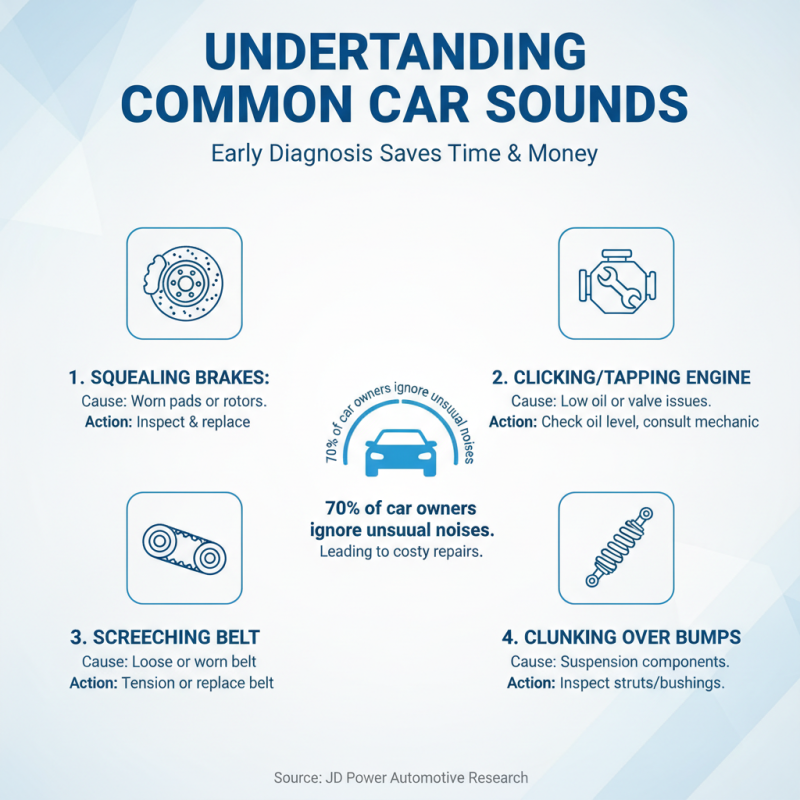
Understanding common car sounds can be crucial for effective diagnosis. A study by the automotive research firm, J.D. Power, reveals that 70% of car owners ignore unusual noises until they worsen. This often leads to extensive repairs and higher costs. Recognizing these sounds early can save both time and money.
Strange noises can indicate specific issues. For instance, a grinding sound while braking often points to worn brake pads. In contrast, a high-pitched squeal might suggest a problem with the serpentine belt. Studies show that unresolved engine knocking can result in significant mechanical failure, sometimes costing drivers over $1,500 to fix.
Drivers should tune in when a dragging sound occurs during acceleration. This can signify a transmission issue or a misaligned engine mount. Even the simple sound of rattling could mean loose components under the hood. While some sounds may be minor, ignoring them is risky. Listening closely can illuminate underlying problems before they escalate.
Identifying the Source of the Sound: Outside vs. Inside the Vehicle
When diagnosing car sound issues, identifying the source is crucial. Sounds can come from two main areas: inside and outside the vehicle. Start by isolating the sound's origin. Take a drive with a friend and have them listen closely. They can help you distinguish whether the sound is coming from the engine, tires, or the cabin.
Inside sounds often relate to loose items or worn components. You might hear rattles or squeaks, which could signal a need for repairs. Sometimes, sounds like humming hint at issues with the stereo or air conditioning system. Don’t overlook any small details; they can point to larger problems.
Sounds from outside the car may indicate issues with tires, brakes, or the suspension. A grinding noise could suggest brake wear, while thumping may signal a tire problem. Pay attention to the changes in sound as you accelerate or turn. Each nuance can provide clues to what’s wrong. Reflect on the environment too; road conditions can amplify certain noises. Ensure you observe carefully to accurately diagnose the true issue.
Step-by-Step Guide to Isolating the Noise for Accurate Diagnosis
Diagnosing car sound issues requires a systematic approach. Start by identifying the type of noise. Is it a squeak, grind, or a hum? According to a recent industry report, over 25% of car owners report unusual noises as the main reason for visit to a mechanic. Understanding the sound helps narrow down the potential causes, whether it’s a brake issue or engine trouble.
Once you’ve identified the noise, isolate it. Drive at different speeds and listen carefully. A high-pitched squeal may indicate worn brake pads, while a low rumble could be a sign of exhaust system problems. Interestingly, studies show that about 40% of diagnosed noise issues were misidentified initially. Careful observation can prevent costly mistakes. Use a notepad to document when the noise occurs. Keep track of engine temperature, speed, and road conditions to provide better context for further analysis.
Next, use focused troubleshooting techniques. A common mistake is not checking simple components first. Start with loose parts or debris. Oftentimes, the source of the problem could be something straightforward, like a loose heat shield. Getting to the bottom of car sound issues requires patience and attention to detail. Each attempt brings you closer to a solution.
Utilizing Tools and Techniques for Effective Sound Analysis
Diagnosing car sound issues can be challenging without the right tools. Utilizing sound analysis equipment helps mechanics understand the source of problems quickly. According to a study by the Automotive Service Association, using specialized sound diagnostic tools improves issue identification by
45%. These devices can effectively pinpoint vibrations or abnormal noises that a routine inspection might miss.
Acoustic stethoscopes are among the most effective tools. They amplify sounds and help locate trouble spots. Additionally, a frequency analyzer can measure sound waves and identify patterns. A recent report indicated that
70% of experienced technicians use these tools to address noise complaints more effectively.
However, relying solely on technology can lead to oversights. Mechanics must still apply their knowledge and instincts. It’s essential to document sound characteristics accurately. Recording noises helps in comparing them during subsequent evaluations. Even so, some mechanics overlook this crucial step.
A comprehensive approach combines tools with hands-on experience. This ensures that neither sound nor technician’s intuition is ignored. It’s a delicate balance.
When to Seek Professional Help for Persistent Car Sounds
Car sounds can signal various issues. Some sounds are harmless, while others indicate underlying problems. Knowing when to seek professional help is crucial. Research from the Automotive Service Association reports that 40% of drivers ignore unusual sounds until they worsen. Ignoring these warnings can lead to costly repairs.
If a noise persists, don’t hesitate. Grinding, squealing, or knocking sounds can point to brake or engine issues. Industry data indicates that 30% of vehicles with persistent noise experience reduced safety. The severity can escalate, making it vital to consult a mechanic early.
Even minor sounds should be monitored. A soft hissing could signify a coolant leak, a serious issue. Waiting too long could lead to severe engine damage. Regular check-ups can catch these problems swiftly, saving money and time. Don't wait until your car is on its last leg. Promptly addressing sounds is a wise investment.