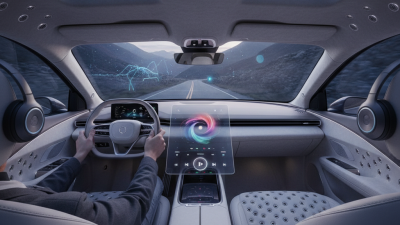
Why is Auto Audio Essential for Modern Vehicles?
In today’s automotive landscape, the significance of auto audio systems cannot be overstated. Passengers and drivers seek more than just transportation; they crave an immersive experience. High-quality sound systems enhance journeys, transforming mundane commutes into enjoyable adventures.
Auto audio offers not just music, but also connectivity, enhancing vehicle functionality. Modern cars integrate advanced technology, allowing seamless streaming and voice commands. This evolution has made auto audio a key aspect of vehicle design and user satisfaction.
However, challenges remain. Some systems may overpower engine sounds, affecting safety. Others might distract drivers if not designed thoughtfully. Thus, auto audio must balance enjoyment with practicality. Manufacturers must keep improving, ensuring audio quality does not compromise safety. The journey of auto audio is just beginning, but its importance is already clear.
The Evolution of Auto Audio Systems in Modern Vehicles
The evolution of auto audio systems reflects a fascinating journey over the last few decades.
Initially, car radios offered basic AM stations. These early systems provided minimal sound quality but were revolutionary at the time.
As technology advanced, FM radio and cassette players became popular. This shift introduced more options for drivers and passengers.
Today, modern vehicles boast advanced audio systems. They integrate Bluetooth connectivity and smartphone compatibility.
Users can enjoy streaming from various platforms seamlessly. This convenience enhances the driving experience, making it more enjoyable.
However, not all systems are created equal. Some systems struggle with audio clarity and user interface issues.
The move toward surround sound and immersive audio has also transformed expectations.
Features like noise cancellation improve the listening environment.
Yet, some drivers find it challenging to manage multiple settings while driving.
These complexities highlight the need for better design and user education. Overall, the landscape of auto audio systems continues to change, aiming for richer sound and user-friendly interfaces.
This evolution reflects not just technological advancements, but also changing consumer demands and expectations.
The Impact of Audio Quality on Driver and Passenger Experience
The quality of audio in modern vehicles plays a key role in enhancing both driver and passenger experiences. According to a recent study by J.D. Power, nearly 70% of car owners identify audio quality as a crucial factor in their purchasing decisions. This statistic highlights the priority consumers place on a well-designed audio system. A clear, high-fidelity sound contributes significantly to the overall ambience of the vehicle.
Moreover, audio systems are not just about entertainment; they impact safety as well. Research from the National Highway Traffic Safety Administration indicates that engaging audio experiences can improve driver alertness. When music fills the cabin, it can influence mood and focus. However, balance is essential. Excessively loud audio settings may distract drivers, leading to potential hazards. This duality underlines the importance of thoughtful audio system design in modern vehicles.
Additionally, enhancing the passenger experience has become fundamental. Automotive manufacturers must consider varied preferences among occupants. Some may enjoy classical tunes, while others prefer upbeat pop. Studies show that personalized audio experiences can increase overall satisfaction and reduce travel fatigue. This growing expectation for customizable audio solutions indicates a shift in consumer demands within the automotive industry.
Integration of Technology: From AM/FM to Smart Audio Systems
Modern vehicles are no longer just about getting from point A to B. The integration of technology into auto audio systems has transformed the driving experience. Gone are the days of simple AM/FM radio. Today, smart audio systems offer features that enhance connectivity and convenience. They allow drivers to access streaming services, satellite radio, and personalized playlists, pushing audio quality to new heights.
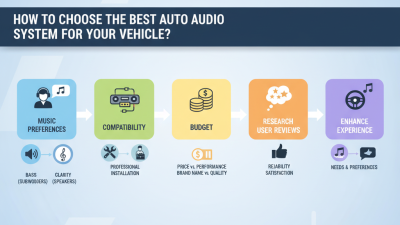
Installing advanced audio technology can make a difference. Here are some tips to enhance your vehicle’s audio experience. First, consider upgrading your speakers. Higher quality speakers produce clearer sound and fuller bass. Second, ensure your audio system is compatible with your devices, allowing seamless connectivity. This simplifies access to your favorite music and podcasts.
However, smart audio systems are not perfect. Technology can sometimes be challenging to navigate, especially for older drivers. An overload of features may lead to distraction on the road. It's crucial to create a balance between technology and safety. Explore the features gradually and avoid complex setups while driving. Take the time to familiarize yourself with the system before hitting the road.
Integration of Technology in Auto Audio Systems
This chart illustrates the integration of various audio technologies in modern vehicles, highlighting how traditional AM/FM radio is still in use, while newer technologies like Bluetooth and smartphone apps are becoming increasingly popular.
Safety Features and Innovations in Modern Auto Audio Systems
Modern auto audio systems are no longer just about high-quality sound. They have become integral to
safety features in vehicles. Extensive research shows that
advanced audio systems can enhance driver awareness. The sound
alerts drivers to potential hazards, contributing to safer driving conditions.
An industry report indicated that 65% of drivers felt more
secure in vehicles equipped with sophisticated audio alerts.
Many innovations help connect drivers to their surroundings. For instance, audio systems are now linked
with navigation. They provide real-time updates about
traffic and road conditions. This integration helps drivers make informed decisions quickly. A survey found
that 75% of users appreciated audio guidance when
navigating unfamiliar areas.
However, there is room for improvement. Some manufacturers still overlook the importance of clarity in audio messaging.
In complex driving situations, unclear alerts can confuse drivers. Additionally, as more vehicles include
these features, the importance of user-friendly systems cannot be underestimated. Ensuring all drivers can
easily interpret audio signals will be crucial for future innovations. The balance between technology and
practicality remains a key challenge in the evolving
landscape of auto audio safety.
Future Trends in Automotive Audio Technology and Design
As automotive technology evolves, audio systems are becoming central to the driving experience. Data from industry reports indicate that over 70% of consumers now prioritize sound quality in vehicle purchases. This surge stems from a growing demand for immersive music experiences and improved voice interaction with in-car systems. Enhanced audio capabilities, such as spatial sound and noise cancellation, are also gaining traction. These developments cater to a more discerning audience that values both entertainment and functionality.
Looking ahead, the integration of artificial intelligence in automotive audio systems is set to transform user interactions. AI can personalize audio settings based on a driver's preferences, creating a tailored environment on every journey. Yet, this technology raises questions about data privacy and user trust. How much data should we share for better sound experiences? Reports suggest that improvements in sound quality can enhance driver focus, but it also raises concerns about potential distractions. Achieving the right balance between advanced features and user safety remains a key challenge.
Furthermore, research shows a shift toward eco-friendly audio solutions. Manufacturers are exploring sustainable materials for speaker components, as 50% of consumers express concern over environmental impact. While innovation drives excitement, the industry must reflect on sustainable practices. Addressing these trends thoughtfully ensures that automotive audio technology evolves in harmony with consumer needs and ethical considerations.
Why is Auto Audio Essential for Modern Vehicles? - Future Trends in Automotive Audio Technology and Design
| Feature |
Importance |
Future Trends |
| High-Quality Sound Systems |
Enhances driving experience and enjoyment |
Integration with streaming services and high-res audio |
| Noise Cancellation Features |
Reduces outside noise for enhanced listening |
Advanced adaptive noise control technologies |
| Voice Control and Recognition |
Increases safety and convenience for drivers |
AI-driven voice assistants becoming standard |
| Customization Options |
Allows personalization of audio settings |
User-friendly interfaces for personalized experiences |
| Wireless Connectivity |
Facilitates seamless integration with devices |
Expansion of compatibility with new wireless standards |