Top Car Installation Trends to Watch in 2026?
The automotive industry is on the brink of transformative changes by 2026. Car installation trends are shifting as consumer demands evolve. Recent reports indicate that the global automotive aftermarket is expected to exceed $1 trillion by 2026. This shift presents both opportunities and challenges for professionals in car installation.
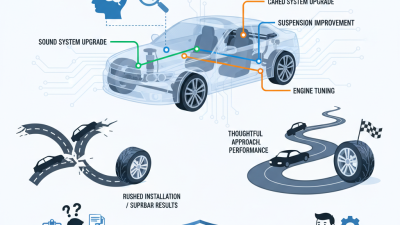
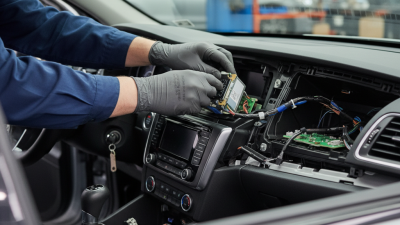
One significant trend is the integration of advanced technologies. Features like infotainment systems and driver-assistance technologies are becoming standard. Data suggests that over 70% of new cars will include smart technology by 2026. However, the complexity of these installations requires specialized skills. Many professionals are currently struggling to keep up with these advancements.
Additionally, sustainability is shaping car installation practices. With growing environmental concerns, more people are opting for electric vehicles. This trend is raising questions about the future of traditional installations. The demand for eco-friendly solutions is undeniable. As the industry progresses, it will be essential for installers to adapt while navigating the challenges that arise. Emphasizing innovative approaches will be crucial for survival in this competitive market.
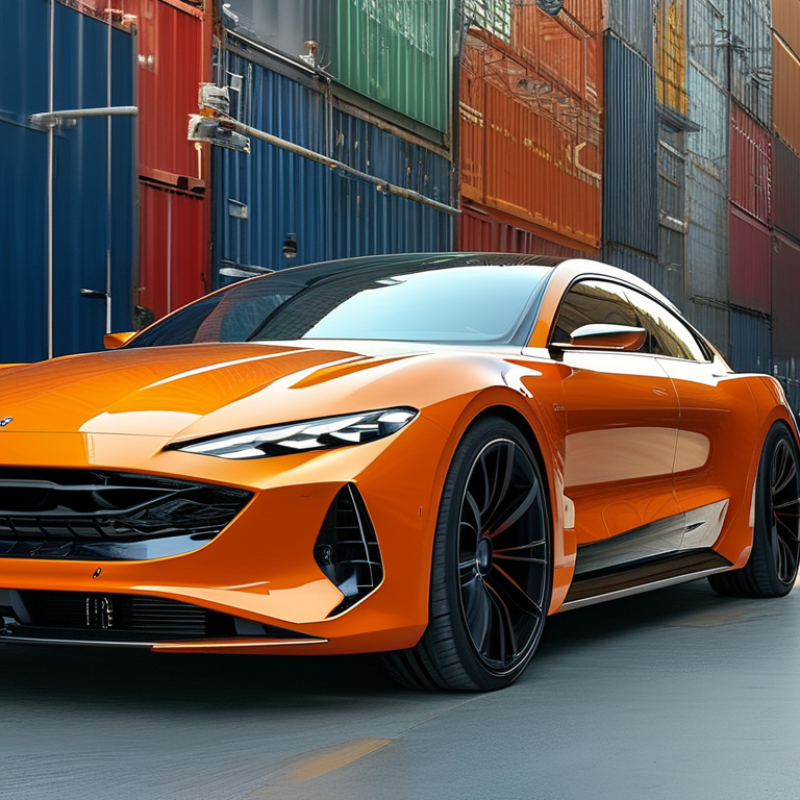
Innovative Technologies Influencing Car Installations in 2026
As we approach 2026, innovative technologies are poised to reshape car installations significantly. One major trend is the integration of advanced driver-assistance systems (ADAS). These systems enhance safety and convenience. Features like adaptive cruise control and automatic parking are becoming standard. However, installation methods must evolve to keep pace with these complex technologies.
Another noteworthy trend is the rise of electric vehicle (EV) installations. As more consumers switch to EVs, charging infrastructure is critical. Companies need to develop efficient installation protocols for home chargers and public charging stations. This shift presents challenges. Companies must train technicians to understand the specifics of EV technology.
Moreover, the emergence of smart car systems is a game-changer. Vehicles can now communicate with each other and with infrastructure. This connectivity improves safety and traffic flow. However, ensuring reliable and secure installations is essential. Potential vulnerabilities may arise, so constant updates and professional installation are key. The journey towards effective installations is filled with complexities and needs continuous improvement.
Integration of Smart Home Features in Automotive Systems
The integration of smart home features into automotive systems is shaping the future of driving. Imagine controlling your car's climate, lighting, and music just like you do at home. This seamless connection enhances comfort and convenience. Voice-activated systems are becoming common. They allow drivers to focus on the road while managing their in-car environment effortlessly.
However, this trend raises questions about security and privacy. As vehicles become more connected, the risk of hacking increases. Users need to be cautious about how much personal data they share. Smart home integration should prioritize user consent and robust data protection measures. Finding the balance between innovation and safety is essential for consumer trust.
Remote access to vehicle status is another exciting feature. This allows users to check battery levels, lock doors, or even start the engine from afar. Yet, the effectiveness of these features depends on stable internet connections. Interruptions can lead to frustration and potential safety issues. Automakers must work on solutions that ensure reliability in all environments.
Top Car Installation Trends to Watch in 2026: Integration of Smart Home Features in Automotive Systems
Advancements in Electric Vehicle Charging Solutions for Home Installations
The rise of electric vehicles (EVs) is changing how we approach home charging solutions. By 2026, the demand for efficient and accessible charging installations will surge. According to industry data, the EV market is expected to grow at a Compound Annual Growth Rate (CAGR) of 22.6% from 2021 to 2028. This growth emphasizes the need for advanced home charging systems.
A key trend is the development of smart charging solutions. These systems optimize energy usage based on peak hours and user preferences. Reports suggest that installing a Level 2 home charger can reduce charging time by over 60%. This immediate benefit appeals to new EV owners seeking convenience. However, homeowners may face challenges, such as upgrading electrical panels to support higher voltages. Understanding the capacity of existing home infrastructure is crucial before installation.
Exploring solar-integrated charging stations might also be beneficial. They can provide significant savings on electricity bills and contribute to sustainability. Still, the initial investment remains a concern for some homeowners. It's worth noting that such installations require careful planning and professional expertise to ensure safety and efficiency.
When considering charging solutions, it is vital to assess the unique needs of your home and vehicle. Evaluate your daily driving habits and potential energy sources. Prioritize systems that offer scalability and adapt to future technological advancements. As the EV landscape evolves, staying informed about these trends will be essential for making well-rounded decisions.
Sustainable Materials and Practices in Car Installations
The automotive industry is shifting toward sustainability. In car installations, sustainable materials are becoming the norm. Designers seek alternatives that have less environmental impact. This includes recycled plastics and natural fibers. These materials help reduce carbon footprints.
Practices are also evolving. Many workshops are adopting eco-friendly processes. Paints with low volatile organic compounds are gaining popularity. They produce fewer harmful emissions and improve air quality. Yet, challenges remain. Not every workshop follows these sustainable practices. The industry must encourage more comprehensive training.
The shift towards sustainability is exciting, but it demands attention. Installers are still learning to adapt to new materials. Some may resist change due to costs or habit. However, embracing sustainability is vital for future growth. Remaining stagnant can lead to missed opportunities. It's crucial that the industry values sustainable progress for everyone's benefit.
Top Car Installation Trends to Watch in 2026 - Sustainable Materials and Practices in Car Installations
| Trend |
Description |
Estimated Impact (%) |
Materials Used |
| Recycled Plastics |
Use of recycled plastics for interior components and trims. |
30% |
PET, PP |
| Natural Fiber Composites |
Integration of natural fibers for lightweight and biodegradable solutions. |
25% |
Hemp, Jute |
| Solar Power Integration |
Incorporating solar panels into vehicles for additional energy efficiency. |
20% |
Silicon, Glass |
| 3D Printed Components |
Using 3D printing for custom parts and lightweight structures. |
15% |
PLA, ABS |
| Water-Based Coatings |
Shift towards eco-friendly water-based paints and finishes. |
10% |
Acrylics, Polyurethanes |
User-Centric Design Trends Shaping Future Automotive Customizations
The automotive industry is witnessing a shift toward user-centric designs, particularly in vehicle installations. Consumers now seek customizations that reflect their individual lifestyles. This trend promotes not just aesthetics, but also functionality. Features like adjustable seating and modular dashboard layouts are becoming popular. These installations allow users to personalize their experiences in an increasingly automated world.
Many drivers want smart technology integration that enhances safety and convenience. Systems that adapt to user preferences show a tendency toward personalization. For instance, customizable ambient lighting not only improves the driving atmosphere but also impacts mood levels. However, this brings challenges. Designers must balance between innovative features and usability. Overcomplicating interfaces can frustrate users.
A focus on sustainability is emerging as well. Eco-friendly materials and processes are essential for the conscious consumer. However, sourcing these sustainable options often leads to trade-offs. For example, some eco-materials may not provide the same comfort or durability. As the industry progresses, these challenges must be continually addressed to ensure that user-centric designs genuinely meet the needs of all consumers.