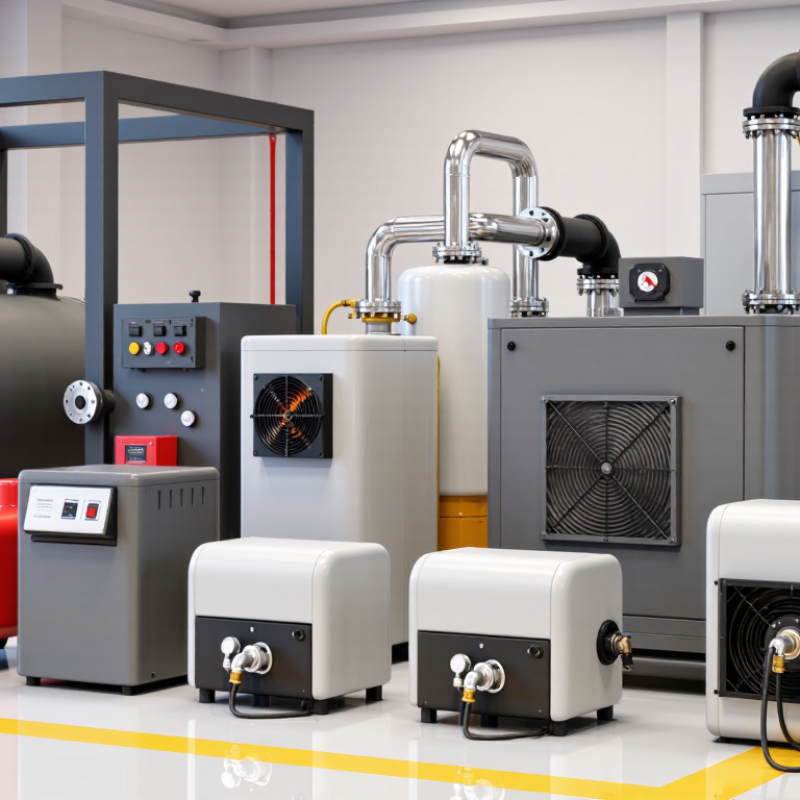
Choosing the right Fuel Oil Heater is rarely a simple price comparison. Global buyers must examine heating capacity, fuel compatibility, control accuracy, maintenance access, and regional support. A compact unit may suit a small workshop, while a marine facility or industrial plant needs stable output under continuous demand.
This guide reviews ten notable fuel oil heaters for international purchasing decisions. The selection considers manufacturer experience, published technical data, operating efficiency, safety controls, and practical service requirements. Details such as burner adjustment, tank insulation, flame monitoring, and spare-parts availability can affect real performance. Small differences matter. A poorly matched pump may increase fuel use, create unstable heating, or shorten equipment life.
The comparison also considers common regional expectations, including electrical compatibility, emissions documentation, installation guidance, and recognized safety certifications. Buyers should confirm these points with suppliers before placing an order. Product claims are not always complete. Some specifications may reflect controlled testing rather than dusty workshops, cold warehouses, or fluctuating fuel quality. That limitation deserves attention.
Reliable purchasing requires more than reading a ranking. Experienced operators can inspect service records, ask for test reports, and compare warranty conditions. They should also calculate total ownership cost, including fuel consumption, cleaning, replacement parts, and technician support. Local regulations may differ significantly. Professional advice remains valuable when the heater serves a critical process.
This overview is designed to support informed evaluation, not replace site-specific engineering judgment. Each model has strengths, trade-offs, and operating boundaries. The best choice is the one that performs consistently, safely, and economically in the buyerβs actual environment.
Global buyers should compare fuel oil heaters by heat transfer, ventilation, and maintenance needs. Common options include forced-air, hydronic, radiant, indirect-fired, direct-fired, portable, wall-mounted, boiler-based, condensing, and waste-oil systems. Each design suits a different setting, from warehouses and workshops to greenhouses and temporary construction spaces.
A forced-air heater burns fuel in a chamber, then pushes heated air through a fan. It warms large areas quickly, but airflow can disturb dust. Hydronic systems heat water or glycol, which circulates through radiators or underfloor pipes. Radiant models warm people and surfaces directly, making them useful in open workshops.
Indirect-fired units separate combustion gases from indoor air. This is safer for occupied spaces, though efficiency may decline through heat exchanger losses.
The U.S. Energy Information Administration reports that No. 2 distillate fuel contains about 138,500 Btu per gallon. The U.S. Environmental Protection Agency estimates roughly 10.21 kilograms of carbon dioxide per gallon burned. These figures help buyers compare fuel demand, operating cost, and emissions exposure.
Still, a neat specification sheet can mislead. Field inspections often find blocked filters, poor duct sealing, or oversized burners. Small faults matter. Fuel quality, nozzle condition, chimney design, and local ventilation rules should be checked before installation. NFPA 31 also emphasizes proper storage, piping, combustion air, and clearances for oil-burning equipment.
Top 10 Fuel Oil Heaters for Global Buyers
Key Features to Compare When Choosing a Fuel Oil Heater
Comparing the top 10 fuel oil heaters requires more than checking heat output. Match the rated capacity to the room size, insulation, ceiling height, and outdoor temperature. An oversized unit may cycle frequently and waste fuel. An undersized heater may run constantly. Neither choice is efficient.
Check fuel consumption at the stated output, not only the maximum rating. A clear fuel tank, reliable gauge, and accessible filter simplify daily inspections. Look for flame-failure protection, overheat shutoff, stable ignition, and automatic temperature control. These features matter in workshops, warehouses, and temporary work areas. Ventilation requirements also deserve careful attention.
I have found that service access can matter as much as performance. A removable burner cover, standard replacement parts, and clear maintenance instructions reduce downtime. Confirm voltage, frequency, plug type, and fuel compatibility before ordering internationally. Local emissions rules and installation requirements may differ. Product documents should include test data, operating limits, noise levels, and safety instructions. Do not rely on attractive photographs alone. I once overlooked a heaterβs limited thermostat range, and the room became uncomfortable despite adequate heat. That mistake was avoidable. A careful comparison should include warranty terms, technical support, corrosion resistance, and realistic delivery conditions. Some specifications still need independent verification.
Top 10 Fuel Oil Heaters for Different Global Market Needs
Global buyers need more than one standard heater. A small workshop may require a portable forced-air unit, while a warehouse needs ducted or indirect heating. Coastal facilities often prefer corrosion-resistant cabinets. Greenhouses may benefit from steady hydronic systems, while construction sites need fast radiant heat. Other useful choices include convection heaters, flued cabinet heaters, compact emergency units, high-output industrial models, and low-noise indoor systems.
Field experience shows that fuel quality, climate, room size, and ventilation can change performance significantly. Cold regions may need preheating features, while tropical markets often prioritize compact storage and humidity resistance. Local emissions rules, electrical supply, tank requirements, and certified installation must guide the final choice. A heater that works well in a dry factory may perform poorly in a dusty workshop. That is easy to overlook.
Tips: Measure heat loss before comparing output. Check the fuel specification and available voltage. Keep clear space around the heater and inspect hoses regularly. Ask for service access, replacement parts, and verified safety controls. Do not trust a low purchase price alone. It may hide higher fuel use or difficult maintenance. Some market assumptions will be wrong, so test one unit under real operating conditions before ordering at scale.
Typical thermal-output ranges for widely used fuel-oil heating configurations. The figures are representative engineering ranges rather than company sales rankings, and actual capacity depends on fuel grade, burner design, operating temperature, and local regulations.
Lower-output units are commonly selected for temporary heating, workshops, farms, and small commercial buildings. Larger systems are used for process heat, district heating, marine applications, steam generation, and high-temperature industrial production.
Choosing a fuel oil heater requires more than comparing heat output. Confirm the unit suits the room size, fuel type, voltage, and local installation rules. A qualified technician should inspect the chimney, ventilation path, electrical grounding, and emergency shutoff before startup. Keep combustible materials well away from the heater. Carbon monoxide can build up without an obvious smell. Install tested detectors near sleeping areas and living spaces. A checklist helps, but it cannot replace careful judgment.
Installation errors often appear small. An uneven base can cause vibration, while a loose fuel connection may create a slow leak. Use approved fuel lines, secure fittings, and accessible isolation valves. Maintain the clearances stated in the technical instructions. Never route exhaust into an enclosed area. After installation, observe the flame, listen for unusual sounds, and check for smoke or fuel odors. If something feels wrong, stop the heater and request professional inspection.
Tips: Clean the burner, filter, and air intake on the recommended schedule. Inspect seals before each heating season. Drain water from the fuel tank when required. Record service dates and unusual readings. Do not guess.
Maintenance can reveal problems earlier. Soot, rising fuel use, delayed ignition, or unstable flames deserve attention. Some owners postpone servicing because the heater still produces heat. That decision can reduce efficiency and increase risk. Requirements vary by country, so verify local fire, electrical, and environmental rules with the relevant authority.
Top 10 Fuel Oil Heaters for Global Buyers
Fuel compatibility should guide every heater shortlist. Confirm whether the unit accepts light fuel oil, heavy fuel oil, or blended grades. Heavy oil often needs preheating before stable atomization. Check viscosity limits, nozzle design, pump pressure, and storage temperature. A mismatch can create smoke, carbon deposits, and frequent shutdowns. The U.S. Energy Information Administration reports that petroleum products remain important in industrial energy use, but fuel quality varies significantly by region. Therefore, a heater designed for one market may perform poorly elsewhere.
Efficiency figures need careful interpretation. Laboratory ratings rarely reflect cold starts, dirty filters, or oversized chambers. The International Energy Agencyβs Energy Efficiency 2023 report identifies industrial efficiency as a major energy-saving opportunity. Ask suppliers for tested fuel consumption, turndown ratio, excess-air data, and emissions results. Calculate useful heat, not only advertised input power. Small errors matter. A five-percent efficiency difference can become costly during long operating seasons.
Tips: Request a compatibility test using your actual fuel sample. Verify local rules for sulfur, nitrogen oxides, particulate emissions, ventilation, and tank safety. For marine applications, IMO MARPOL Annex VI limits sulfur in fuel oil to 0.50% globally, with stricter limits in emission control areas. Stationary installations may follow national or regional requirements instead. Keep certificates, service records, and commissioning data. A lower purchase price can hide expensive burner maintenance, poor controls, or unavailable spare parts. Perfect comparisons are difficult; operating conditions change.
| Rank | Heater Type | Typical Heat Output | Fuel Compatibility | Typical Efficiency | Best-Fit Applications | Key Regulatory and Installation Considerations | Main Buying Considerations |
|---|---|---|---|---|---|---|---|
| 1 | Condensing Oil-Fired Hot-Water Boiler | 15β100 kW (51,000β341,000 Btu/h) | Heating oil, low-sulfur diesel, and approved renewable liquid-fuel blends where permitted by the burner and local code. | Approximately 90β98% seasonal efficiency when correctly sized and operated at low return-water temperatures. | Residential and light-commercial hydronic heating, radiators, underfloor systems, and domestic hot-water storage. | Requires compliant flue design, combustion-air provision, pressure relief, expansion control, fuel shut-off, and qualified commissioning. Relevant requirements may include EN 303-2, EN 267, national boiler-efficiency rules, CE or local certification, and building/fire codes. | Confirm minimum modulation, condensate drainage, corrosion-resistant flue materials, water-temperature requirements, service availability, and compatibility with the target fuel blend. |
| 2 | Non-Condensing Oil-Fired Hot-Water Boiler | 20β150 kW (68,000β512,000 Btu/h) | Standard heating oil and diesel-type liquid fuels specified by the burner manufacturer. | Approximately 82β90% seasonal efficiency, depending on boiler age, burner setup, and operating temperature. | Existing homes, workshops, commercial buildings, and retrofit hydronic systems with high-temperature emitters. | The chimney or vent must be suitable for non-condensing flue gases. Installation commonly requires approved fuel storage, spill protection, combustion testing, and compliance with local mechanical, electrical, fire, and emissions codes. | Evaluate annual fuel use, standby losses, replacement-part availability, water-side pressure rating, burner serviceability, and whether the existing chimney is suitable. |
| 3 | Indirect-Fired Oil Air Heater | 20β150 kW (68,000β512,000 Btu/h) | Heating oil, kerosene, diesel, and selected renewable diesel or biodiesel blends only when specifically approved. | Approximately 80β92% useful heat delivery, depending on heat-exchanger design and flue losses. | Warehouses, construction sites, agricultural buildings, event spaces, and occupied areas requiring clean heated air. | Combustion products must be vented outdoors; installation requires adequate combustion air, safe clearances, electrical protection, and fuel-spill controls. Local portable-heater, workplace-safety, and emissions rules apply. | Check airflow, duct pressure capability, thermostat range, noise level, low-temperature starting, fuel preheating, transport wheels, and the availability of exhaust accessories. |
| 4 | Direct-Fired Oil Air Heater | 10β120 kW (34,000β409,000 Btu/h) | Usually kerosene or diesel; fuel specifications are critical because combustion products enter the heated space. | High fuel-to-air heat transfer, commonly around 85β100% at the point of use; not equivalent to clean-air or flue-gas efficiency. | Well-ventilated workshops, agricultural areas, open construction zones, and temporary industrial heating. | Generally unsuitable for occupied or poorly ventilated spaces. Requires ventilation, carbon-monoxide monitoring where applicable, safe clearances, approved fuel handling, and compliance with occupational-health and fire-safety rules. | Prioritize ventilation requirements, carbon-monoxide risk controls, ignition reliability, flame failure protection, fuel filtration, and whether the heater is legally permitted for the intended location. |
| 5 | Oil-Fired Steam Boiler | 30β300 kW (102,000β1,024,000 Btu/h) | Heating oil and other liquid fuels approved for the installed pressure burner. | Approximately 78β88% seasonal efficiency for many conventional systems; system losses can be significant. | Older buildings, process heating, commercial laundries, and facilities retaining existing steam distribution. | Subject to pressure-vessel, boiler-room, low-water cut-off, relief-valve, burner, flue, and inspection requirements. National pressure-equipment and boiler codes may apply in addition to local building and fire regulations. | Review operating pressure, water-treatment needs, blowdown losses, inspection obligations, burner turndown, access for tube cleaning, and the condition of the existing steam network. |
| 6 | Oil-Fired Domestic Water Heater | 15β45 kW (51,000β154,000 Btu/h) | Heating oil or kerosene according to the burner and appliance approval; renewable blends require explicit approval. | Approximately 80β95% thermal efficiency, depending on storage design, insulation, and whether condensing technology is used. | Homes, small hotels, restaurants, remote facilities, and buildings without reliable natural-gas service. | Requires temperature and pressure relief, anti-scald protection, approved venting, combustion-air supply, safe fuel storage, and potable-water compliance. Applicable plumbing, electrical, fuel-burning appliance, and energy-efficiency codes must be checked locally. | Compare recovery rate, tank volume, standby loss, anti-corrosion protection, flue configuration, water quality requirements, and replacement-anode or heat-exchanger service needs. |
| 7 | Waste-Oil Forced-Air Heater | 30β150 kW (102,000β512,000 Btu/h) | Filtered used lubricating oil or approved waste liquid fuels; ordinary heating oil may be used only if the appliance permits it. | Approximately 70β85% useful heat efficiency, strongly affected by filtration, viscosity, burner adjustment, and maintenance. | Vehicle workshops, fleet depots, agricultural repair buildings, and industrial facilities generating suitable waste oil. | Waste-oil storage, transport, combustion, emissions, ash disposal, and recordkeeping are regulated differently by country. Outdoor flue discharge, secondary containment, fire protection, and emissions testing are commonly required. | Confirm legal fuel status, filtration and settling requirements, viscosity range, ash-cleaning interval, burner preheating, emissions performance, and whether waste oil is available year-round. |
| 8 | Oil-Fired Unit Heater with Heat Exchanger | 30β250 kW (102,000β853,000 Btu/h) | Heating oil, diesel, kerosene, and approved low-carbon liquid fuels compatible with the burner system. | Approximately 80β92% combustion-to-air efficiency, depending on exchanger design and operating conditions. | High-bay workshops, factories, warehouses, agricultural buildings, and other large spaces with ceiling-mounted heat distribution. | Requires approved flue routing, structural support, minimum clearances, combustion-air provision, fire protection, and service access. Noise, exhaust discharge height, and workplace ventilation may also be regulated. | Assess ceiling height, airflow pattern, heat stratification, fan motor rating, duct or louver options, freeze protection, maintenance access, and control-system integration. |
| 9 | Oil-Fired Process Air Heater | 100β1,000 kW (341,000β3,412,000 Btu/h) | Heating oil, diesel, kerosene, or engineered liquid-fuel blends specified by the combustion system and process design. | Approximately 75β92% thermal efficiency; heat recovery can raise overall system performance. | Drying lines, agricultural processing, paint and coating operations, manufacturing, and controlled industrial air heating. | May require industrial emissions permits, burner-management systems, flame supervision, emergency shut-off, explosion-risk assessment, guarding, and process-specific environmental controls. | Define air temperature, airflow, pressure, turndown, allowable contamination, heat-up time, controls, fuel-train redundancy, and integration with exhaust-air heat recovery. |
| 10 | Compact Oil-Fired Cabin or Marine Heater | 2β15 kW (6,800β51,000 Btu/h) | Usually kerosene or diesel; marine, vehicle, and recreational-vehicle installations may require a specific fuel grade. | Approximately 75β90% useful heat efficiency, depending on combustion chamber, blower, and exhaust arrangement. | Boats, cabins, remote shelters, service vehicles, and small off-grid buildings. | Requires dedicated combustion-air and exhaust systems, carbon-monoxide protection, fuel-line security, vibration resistance, electrical protection, and applicable marine, vehicle, or recreational-vehicle certification. | Check altitude performance, startup current, fuel consumption, battery capacity, exhaust temperature, installation clearances, corrosion resistance, vibration rating, and spare-parts support. |

Buyer note: Efficiency figures are indicative market ranges rather than guaranteed performance values. Actual results depend on fuel quality, burner tuning, operating temperature, ventilation, maintenance, climate, and installation design. Always verify the current certification, emissions limits, fuel-blend approval, and installation requirements in the destination country before purchase.

| Sunday | CLOSED | |
| Monday | 9AM-12PM | 1PM-6PM |
| Tuesday | 9AM-12PM | 1PM-6PM |
| Wednesday | 9AM-12PM | 1PM-6PM |
| Thursday | CLOSED | |
| Friday | 9AM-12PM | 1PM-6PM |
| Saturday | 10AM-12PM | 1PM-6PM |
Please note that we are closed for lunch from 12PM-1PM daily.