
China’s manufacturing sector is becoming an important source of workplace flooring solutions, including the Heavy Duty Non Slip Mat. Factories, warehouses, commercial kitchens, and loading areas need mats that resist movement, moisture, oil, and constant foot traffic. A reliable supplier must discuss more than thickness. Rubber compound, drainage design, edge beveling, surface texture, and temperature resistance also influence real performance.
The National Floor Safety Institute reports that slips and falls contribute to more than one million hospital emergency visits annually in the United States. OSHA identifies wet floors, poor housekeeping, and unsuitable walking surfaces as common workplace hazards. These findings support a practical point: mat selection is part of a broader floor-safety system, not a complete solution. Dr. Steven Di Pilla, author of Slip and Fall Prevention: A Practical Handbook, states, “There is no such thing as a slip-proof floor.” His warning remains important for buyers comparing manufacturers and suppliers.
A qualified China Heavy Duty Non Slip Mat manufacturer should provide measurable product information. This includes material specifications, load ratings, dimensional tolerances, test methods, and installation guidance. Standards such as ASTM F2913 and ANSI/NFSI B101 help buyers compare slip resistance more responsibly. Still, laboratory results may not fully represent a greasy production line or a rainy entrance. That limitation deserves attention. A mat can look strong and still curl at the edges, trap debris, or shift under a pallet truck. Careful sampling, site testing, and transparent quality records create greater confidence. The best supplier is not merely the lowest-cost exporter. It is a manufacturing partner that understands daily hazards and admits where its product cannot perform.
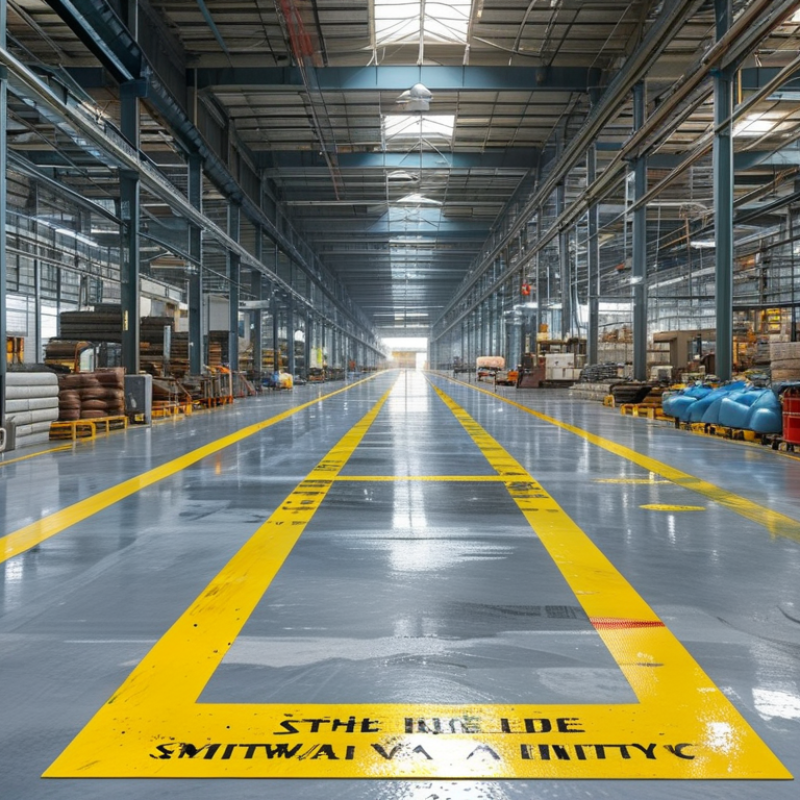
A heavy-duty non-slip mat must do more than feel thick underfoot. It should resist crushing, tearing, abrasion, and movement during demanding daily use. In a busy workshop, workers may track in water, oil, dust, or metal particles. The surface needs dependable grip in changing conditions. Raised patterns can improve traction, while drainage channels help move liquids away from standing areas. A dense rubber or industrial polymer structure usually supports repeated foot traffic and equipment loads. However, thickness alone proves little.
Reliable evaluation combines material checks, load testing, slip testing, and site observation. A responsible manufacturer should explain hardness, temperature resistance, backing design, and expected service conditions. Edges also matter. Poorly finished edges may curl and create a trip point. The underside should stay stable on clean, smooth floors. Real experience shows that even a strong mat can fail when installed on dust or uneven surfaces. That detail is easy to overlook.
Tips: Clean the floor before placement. Remove trapped grit regularly. Check corners and seams each week. Replace damaged sections promptly. For wet areas, choose open drainage rather than a sealed surface. Test a sample under actual footwear and working conditions before ordering in volume. This step may seem slow. It often prevents an expensive mistake. Some specifications look impressive on paper, but field performance can still disappoint.

A heavy-duty non-slip mat begins with the right material, not a dramatic pattern. Nitrile rubber offers strong oil resistance and remains flexible around loading bays, workshops, and commercial kitchens. Natural rubber provides excellent grip, but oils and solvents can shorten its service life. Polyvinyl chloride is cost-effective and easy to clean, although it may harden in cold conditions.
Surface texture matters. Raised diamonds, drainage channels, and molded ribs help move water beneath footwear. A stable backing also prevents curling at the edges. According to the U.S. Bureau of Labor Statistics, private employers reported 2.6 million nonfatal workplace injuries and illnesses in 2023. The UK Health and Safety Executive reported that slips and trips represented 29% of specified employee injuries in 2022/23. These figures explain why traction cannot be treated as decoration.
Reliable suppliers should verify slip resistance, abrasion performance, tensile strength, and dimensional stability through controlled testing. ASTM and ISO methods can support these checks, but test conditions must match actual use. Dry-floor results may not predict performance beside a greasy machine. That detail is often missed. A practical specification should also state thickness, operating temperature, drainage capacity, and cleaning requirements. In my experience, thicker is not always better; an overly soft mat can create a trip edge and wear unevenly. Samples should be tested under water, oil, footwear pressure, and repeated rolling loads before bulk production. Testing takes time. It prevents expensive assumptions.
| Performance Dimension | Recommended Material or Structure | Typical Data or Range | Performance Benefit | Common Application |
|---|---|---|---|---|
| Base Material | Nitrile rubber, natural rubber, PVC, or thermoplastic elastomer | Material selection depends on oil exposure, temperature, flexibility, and cost requirements | Provides the foundation for traction, resilience, and service life | Factories, warehouses, workshops, kitchens, entrances, and service areas |
| Surface Traction | Raised diamond, corrugated, pebble, or ribbed surface pattern | Pattern geometry is selected according to footwear, trolley, and contamination conditions | Improves grip and helps reduce slip risk when the surface is used correctly and kept clean | Wet walkways, production lines, loading zones, and workstations |
| Thickness | Solid rubber or multi-layered PVC construction | Common commercial thickness: approximately 3–20 mm | Thicker designs generally provide greater cushioning and resistance to heavy traffic | Anti-fatigue stations, industrial floors, counters, and access routes |
| Oil Resistance | Nitrile rubber or oil-resistant PVC formulation | Resistance level varies by compound and should be verified using an applicable test method | Helps limit swelling, softening, and surface deterioration caused by oils and greases | Machine shops, automotive maintenance, factories, and food-service back areas |
| Water and Moisture Handling | Closed-cell rubber or PVC with drainage holes and textured channels | Drainage-hole size and spacing are configured for the expected liquid volume | Allows water and debris to move away from the walking surface and simplifies cleaning | Entrances, wash areas, commercial kitchens, pool surrounds, and wet processing zones |
| Load and Wear Durability | High-density rubber compound with reinforced or molded construction | Actual service life depends on traffic, load, chemicals, temperature, and maintenance | Supports repeated foot traffic and helps maintain surface texture over time | Manufacturing aisles, warehouses, distribution centers, and retail backrooms |
| Anti-Fatigue Cushioning | Resilient rubber foam, sponge rubber, or dual-density construction | Cushioning performance is influenced by thickness, hardness, density, and support layer | May reduce standing discomfort by providing controlled foot support | Assembly benches, packing stations, cashier areas, and laboratory workstations |
| Edge Safety | Beveled safety edges or molded ramp borders | Edge height and angle should match the floor transition and traffic conditions | Reduces trip hazards and improves access for carts and wheeled equipment | Doorways, work cells, warehouse routes, and public-access areas |
| Temperature Performance | Specialized rubber or PVC compound selected for the operating environment | Typical operating limits vary by formulation; confirm the manufacturer’s tested temperature range | Helps preserve flexibility and dimensional stability under expected conditions | Cold storage, boiler rooms, production areas, and outdoor covered locations |
| Cleaning and Maintenance | Non-porous rubber or PVC with open drainage and easy-clean texture | Routine sweeping, washing, and drying are recommended according to site conditions | Maintains traction more effectively when dirt, oil, and liquid buildup are controlled | Commercial entrances, food-service areas, workshops, and high-traffic facilities |
| Size and Customization | Rolls, modular tiles, runners, and cut-to-size sheets | Widths, lengths, thicknesses, edge profiles, colors, and hole patterns can be specified by project | Improves floor coverage and enables fitting around equipment and defined work zones | Production lines, corridors, entrances, platforms, and custom industrial layouts |
| Quality Verification | Batch-controlled raw materials and documented inspection procedures | Relevant checks may include dimensions, hardness, tensile strength, abrasion, slip, and chemical resistance | Provides measurable evidence that the mat matches the intended service conditions | Industrial procurement, safety projects, facility management, and export supply |
| Note: Performance values are typical selection guidance rather than universal specifications. Final suitability should be confirmed through the product technical data sheet, application conditions, and applicable test standards. | ||||
China Top Heavy Duty Non Slip Mat Manufacturer Supplier
How to Choose the Right Mat for Different Applications
Choosing a heavy-duty mat starts with the working environment, not appearance. A kitchen floor needs oil resistance, drainage, and a surface that stays stable under wet shoes. Open-hole rubber mats can help liquid pass through, while solid mats are easier to clean in dry areas. Check the floor temperature too. Heat near ovens may shorten the life of unsuitable materials.
Factories often need thicker mats with strong compression recovery. A worker standing beside a machine may need cushioning, while a loading area needs resistance to pallet traffic and edge damage. Measure the heaviest load, including wheels. Small casters can create surprising pressure. A textured surface improves grip, but overly deep patterns may collect metal chips or food waste. Cleaning matters.
Outdoor entrances face rain, dust, sunlight, and changing temperatures. Choose a mat with drainage and a stable backing that will not curl easily. For offices, a lower-profile mat may reduce trip risks and fit beneath doors. In field checks, a sample can look excellent yet move on smooth tile. Test it for several days. Also inspect the edges after cleaning. This step is often missed. A perfect choice on paper may still fail when maintenance habits, footwear, and traffic levels differ. Reconsider the specification when real conditions disagree.
A dependable heavy duty non slip mat begins with controlled material selection. Chinese manufacturers commonly use rubber, PVC, or thermoplastic blends for demanding floors. Each material offers different resistance to oil, water, abrasion, and temperature. Production teams inspect incoming compounds before mixing and molding. They check hardness, thickness, color, and surface texture against approved specifications. Small details matter. A shallow groove can reduce drainage and increase slipping risk.
Modern factories use calibrated equipment and documented production procedures. Operators monitor molding temperature, pressure, curing time, and dimensional tolerance. Samples from each batch undergo slip resistance, tensile strength, abrasion, and load testing. Some suppliers also use independent laboratories for verification. Quality systems aligned with ISO 9001 can improve traceability, though certification alone proves little without daily discipline. Materials should also meet applicable chemical and environmental requirements for the destination market.
Experienced suppliers keep records from raw material storage to final packing. They inspect edges, openings, backing layers, and surface defects before shipment. Packaging must protect mats from deformation during long transport. No factory is flawless. An occasional curled edge or uneven cut should trigger investigation, not concealment. Reliable manufacturers document corrective actions and review repeated failures. Buyers can strengthen confidence by requesting test reports, factory audit evidence, production samples, and clear acceptance limits before placing large orders.
A reliable supplier should explain performance with test evidence, not attractive catalog images. The U.S. Bureau of Labor Statistics recorded more than 211,000 same-level fall cases involving days away from work in 2022. This makes slip resistance a purchasing decision, not a decorative feature. Ask for coefficient-of-friction results, abrasion data, hardness ranges, and drainage performance. ASTM D1894 testing can support friction comparisons, while batch records improve traceability. Check whether the laboratory is independent and whether the test sample matches the production material.
Visit the factory, physically if possible, or request a live video inspection. Examine rubber mixing, molding, trimming, packaging, and warehouse conditions. A capable China supplier should control dimensions, odor, surface texture, and recycled-material ratios. Request an ISO 9001-based quality procedure, incoming-material records, and a written inspection plan. The Global Reporting Initiative’s manufacturing guidance also encourages clearer environmental and supply-chain reporting. Do not accept vague claims such as “industrial grade.” Define load, temperature, oil exposure, and expected service life in writing.
Tips: Order a small pilot batch before a container shipment. Place mats on wet concrete and test walking traction with ordinary work shoes. Measure curling after storage. It sounds basic. It often reveals problems. Ask for corrective-action records, not only certificates. I would also compare two production batches, because one successful sample can create false confidence. A supplier may communicate well yet miss edge thickness by a few millimeters. That small defect can become a trip hazard.

| Sunday | CLOSED | |
| Monday | 9AM-12PM | 1PM-6PM |
| Tuesday | 9AM-12PM | 1PM-6PM |
| Wednesday | 9AM-12PM | 1PM-6PM |
| Thursday | CLOSED | |
| Friday | 9AM-12PM | 1PM-6PM |
| Saturday | 10AM-12PM | 1PM-6PM |
Please note that we are closed for lunch from 12PM-1PM daily.