
Why Choose an Audio System for Your Business?
Why Choose an Audio System for Your Business?
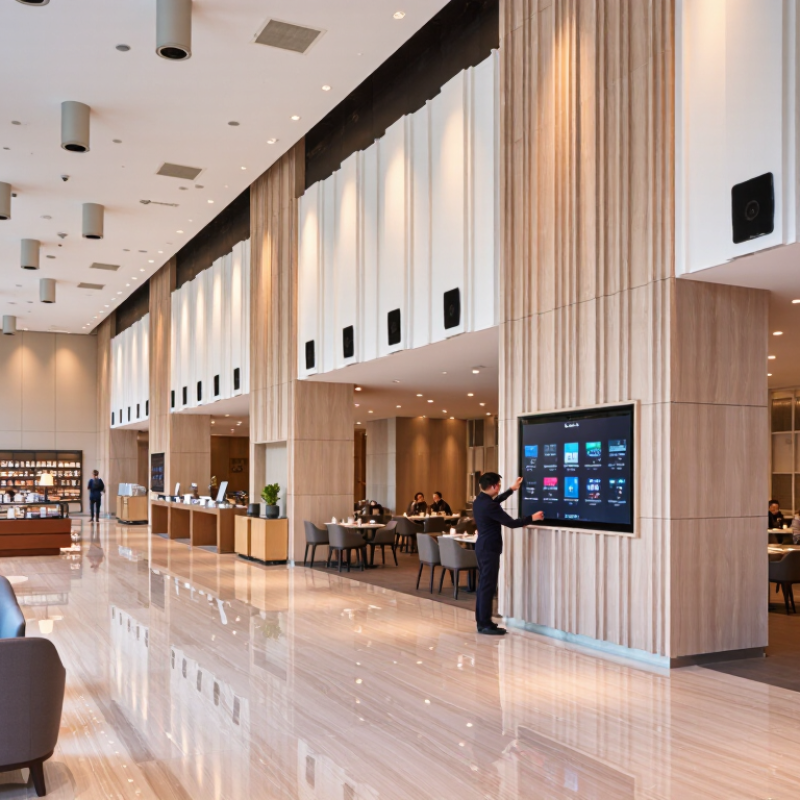
A well-planned audio system can shape how customers experience your business. In a hotel lobby, soft music can reduce the feeling of waiting. In a retail store, clear announcements can guide visitors without interrupting conversations. In a restaurant, balanced sound can make busy dining areas feel more comfortable. These details often appear small. They are not.
Business audio also supports daily operations. Staff can share timely messages across large spaces. Managers can adjust volume for different zones, meeting rooms, or customer areas. Professional installers usually consider room size, ceiling height, wall materials, speaker placement, and background noise. This practical assessment helps prevent echo, uneven volume, and wasted equipment costs. Reliable systems should also offer simple controls and consistent performance during long working hours.
Still, better sound does not automatically create better business results. Poorly chosen music, excessive volume, or complicated controls may frustrate customers and employees. That risk deserves attention. A responsible decision should connect the audio system with business goals, accessibility needs, energy use, and future expansion. Testing the system at busy times is especially valuable because quiet showroom conditions can hide real problems. Feedback from staff matters, too. They use the system every day.
When selected carefully, business audio becomes more than background noise. It can support communication, reinforce brand atmosphere, and improve customer comfort. The strongest choice is not always the loudest or most expensive option. It is the one that works clearly, reliably, and thoughtfully in the actual space.
Business Audio Systems: Definition, Scope, and Core Components
Why Choose an Audio System for Your Business?
A business audio system is an integrated setup that delivers clear, controlled sound across commercial spaces. It may support background music, paging, meetings, training, and emergency communication. Its scope depends on the workplace, audience, and daily operating needs. A café may need discreet ceiling speakers, while a warehouse needs stronger coverage and intelligible announcements.
Core components usually include audio sources, microphones, a mixer or digital signal processor, amplifiers, speakers, control panels, and structured cabling. Network connections may also support centralized control and monitoring. Speaker placement matters as much as equipment quality. For example, evenly spaced ceiling speakers can reduce loud and quiet spots near tables, corridors, or reception desks. Acoustic treatment may improve speech clarity in rooms with hard floors and glass walls.
Practical planning starts with a coverage map and measured listening zones. Keep it simple. An oversized system can waste power and confuse staff. A weak system creates complaints and unsafe communication gaps. Volume limits, electrical protection, accessibility needs, and local building requirements deserve professional review. A common field lesson is that installation plans rarely survive unchanged. Furniture moves, walls gain partitions, and business hours shift. Leave room for adjustment. Regular testing should check microphones, cable connections, speaker output, and backup power where required. Even a well-designed system can sound disappointing if staff receive little training.
Why Choose an Audio System for Your Business? - Business Audio Systems: Definition, Scope, and Core Components
| Business Audio Dimension | Definition or Component | Primary Business Purpose | Typical Applications | Practical Planning Considerations |
|---|---|---|---|---|
| Business Audio System | An integrated collection of audio sources, signal processors, amplifiers, loudspeakers, control devices, and cabling. | Delivers consistent music, announcements, paging, background sound, and emergency-related messages throughout a commercial space. | Retail stores, offices, hospitality venues, educational facilities, healthcare spaces, transportation areas, and public buildings. | The system should be designed around room size, ceiling height, ambient noise, zoning requirements, operating hours, and local safety regulations. |
| Audio Sources | Devices or services that provide audio content, such as media players, microphones, network streams, or telephone interfaces. | Supplies music, live speech, recorded announcements, scheduled messages, and other business-related audio. | Background music, staff paging, customer announcements, meeting presentations, and queue or service notifications. | Use compatible input formats and provide priority controls when announcements must override routine audio. |
| Microphones | Input devices that convert speech or other sound into an electrical audio signal. | Captures clear voice communication for paging, conferencing, presentations, and live events. | Reception desks, meeting rooms, classrooms, warehouses, service counters, and public-address areas. | Select the microphone type according to speaking distance, mobility, background noise, feedback risk, and hygiene requirements. |
| Digital Signal Processor | A processor that routes, equalizes, delays, mixes, and manages audio signals. | Improves speech intelligibility, balances sound between areas, and automates system behavior. | Multi-room facilities, conference spaces, paging networks, hospitality venues, and large retail environments. | Configuration may include equalization, compression, feedback control, automatic mixing, scheduling, and zone-based routing. |
| Amplifiers | Electronic devices that increase the power of audio signals enough to drive loudspeakers. | Provides the output power needed for reliable coverage and suitable listening levels. | Distributed paging systems, background music systems, conference rooms, and performance or presentation areas. | Power capacity should account for speaker load, peak demand, future expansion, ventilation, and required backup arrangements. |
| Loudspeakers | Electroacoustic devices that convert amplified electrical signals into sound. | Distributes music and speech evenly while matching the acoustic and architectural characteristics of each space. | Ceiling speakers, wall-mounted speakers, column speakers, pendant speakers, outdoor areas, and high-ceiling spaces. | Coverage pattern, sensitivity, frequency response, mounting location, moisture exposure, and sound pressure requirements all affect selection. |
| 70-Volt or 100-Volt Distribution | A constant-voltage distribution method commonly used to connect multiple commercial loudspeakers over long cable runs. | Simplifies multi-speaker installation and supports independent speaker power settings across broad areas. | Retail floors, corridors, offices, warehouses, schools, hotels, and other distributed audio environments. | The amplifier must be compatible with the distribution voltage, and the combined speaker tap load should remain within the amplifier's rated capacity. |
| Audio Zones | Independently controlled areas within a building or site. | Allows different rooms or departments to receive separate content, volume levels, schedules, or announcements. | Sales floors, offices, meeting rooms, dining areas, loading zones, outdoor spaces, and restricted-access areas. | Define zones according to how the business operates rather than only by physical room boundaries. |
| Control and Management | Hardware or software used to adjust volume, select sources, schedule content, and manage permissions. | Makes daily operation easier and supports centralized or remote administration. | Reception controls, wall panels, staff applications, network dashboards, scheduled playback, and facility management systems. | Access control, simple user interfaces, network reliability, monitoring, and backup operating procedures should be considered. |
| Paging and Priority | A communication function that sends live or recorded messages to selected zones, often with priority levels. | Enables efficient staff communication and timely delivery of important instructions. | Staff calls, customer service messages, shift notifications, operational alerts, and building-wide announcements. | Priority logic should be clearly defined so urgent messages can interrupt lower-priority music or routine announcements. |
| Scalability and Maintenance | The ability to expand, reconfigure, monitor, and service the system as business needs change. | Protects the initial investment and reduces disruption when locations, departments, or operating requirements grow. | Business expansions, renovations, additional floors, new service areas, and multi-site operations. | Allow spare capacity in power, cabling, processing, network infrastructure, and control interfaces; schedule periodic testing and maintenance. |
Related Posts
-

Top 10 Marine Audio Systems for Your Boat Adventures?
-
Best Car Stereo Installation Tips for Beginners?
-
Why is Car Stereo Installation Important for Your Vehicle?
-

Top 10 Tips for Car Electronics Installation You Need to Know
-

Top 10 Mobile Audio Installation Companies Worldwide
-
How to Install Mobile Audio Systems in 2026?